
Packing Items for Long-Term Storage
There’s a special kind of optimism that comes with putting something into storage: “I’ll definitely remember what’s in that box.” Six months later, you’re staring at twelve identical cardboard boxes, wondering which one contains your winter coats and which one contains your grandmother’s holiday decorations.
Long-term storage works best when you think beyond simply getting your belongings out of the way. The goal is to protect your items from dust, moisture, temperature changes, pests, and the occasional forgotten box while keeping everything organized enough to find later. Whether you’re downsizing, between homes, preparing for a renovation, or planning a move, these packing for long-term storage tips can help your belongings stay in good shape until you need them again.
Start With a Long-Term Storage Plan
Before you start taping boxes shut, decide what actually needs to go into storage. Long-term storage of household goods can be a great solution when you need extra space, but it’s worth sorting your belongings first. Separate items you’ll need frequently from things that can safely stay packed away for months or even years.
Think about when you’ll eventually need each category of belongings, too. Seasonal clothing, holiday decorations, keepsakes, furniture, and rarely used kitchenware may all be good candidates for storage. Anything you expect to access regularly should be kept toward the front or in clearly marked containers.
A little planning at the beginning makes packing for long-term storage much easier later. It also prevents you from digging through an entire storage unit every time you need one particular box.
Choose the Right Packing Materials
Not every box is created for the long haul. When you’re figuring out how to pack for long-term storage, sturdy, appropriately sized boxes are a good place to start. New, strong boxes are generally preferable to worn-out grocery or shipping boxes that may already have weakened cardboard.
Use packing paper, bubble wrap, furniture pads, and other protective materials based on what you’re storing. Glassware and dishes should be individually wrapped, while furniture can benefit from breathable protective covers that help guard against dust and scratches.
Plastic storage bins can also be useful for certain belongings, particularly items that need an added layer of protection. Just be thoughtful about what goes inside them and where they’re stored. For some materials, ventilation matters.
Pack Items With Protection in Mind
Once you have your supplies, it’s time to actually pack and store your belongings. Avoid cramming boxes completely full. Overpacked boxes can become difficult to lift and may put unnecessary pressure on whatever is inside. On the other hand, half-empty boxes allow items to shift around during handling.
Wrap fragile belongings individually and add cushioning around the sides of the box. Plates should generally be packed vertically rather than stacked flat, while glasses and other delicate pieces should have plenty of padding between them.
For clothing and linens, make sure everything is clean and completely dry before packing. Storing anything with moisture, food residue, or dirt can create problems later.
A few storage packing tips to remember
- Label every box on multiple sides with a brief description of its contents.
- Keep heavier items in smaller boxes so they’re easier and safer to lift.
- Place lighter belongings in larger boxes when appropriate.
- Use consistent labels or numbering to make inventory tracking easier.
- Keep important documents and irreplaceable valuables somewhere appropriate rather than automatically putting them into storage.
Keep Moisture and Temperature Changes in Mind
One of the biggest considerations when packing items for long-term storage is the environment where those belongings will spend their time. Temperature fluctuations and moisture can affect wood furniture, electronics, artwork, photographs, clothing, and other sensitive possessions.
Before storage, wipe down furniture and make sure it is completely dry. If you’re storing upholstered pieces, avoid wrapping them so tightly in non-breathable plastic that moisture becomes trapped against the fabric. Protective furniture covers can help keep dust away while still allowing appropriate airflow.
The same goes for boxes. Keep them elevated from the floor when possible and avoid packing anything that is damp or wet. The right storage environment matters, but careful preparation gives your belongings another layer of protection.
Know How to Pack a Storage Unit Efficiently
If you’re wondering how to pack for storage unit use, think vertically as well as horizontally. Place heavier, sturdier boxes toward the bottom and lighter items on top. Furniture can often be positioned strategically around the perimeter, leaving an accessible pathway toward frequently needed belongings.
It’s also helpful to create a simple inventory before everything disappears behind a wall of boxes. You don’t need a spreadsheet worthy of a Fortune 500 warehouse. A basic list organized by box number and contents can save a lot of searching later.
Leave some breathing room between packed items where appropriate, and avoid creating a stack so unstable that opening one box turns the entire unit into a game of moving-day Jenga.
Think About What You’ll Need Later
Knowing how to pack for storage is only half the equation. You also want to think about how you’ll retrieve things later. Put the items you’re most likely to need near the front of the storage area and label those boxes clearly.
If you’re storing belongings during a move, consider packing an “open first” box with basics you’ll want immediately. Depending on your situation, that might include linens, seasonal clothing, basic kitchen supplies, toiletries, or important household items.
This is especially useful during long-distance relocations, when belongings may remain in storage while you’re transitioning between homes. The more intentional you are when packing, the less likely you are to need a last-minute excavation mission later.
When It Makes Sense to Get Help Packing for Long-Term Storage
Some storage projects are simple. A few boxes of holiday decorations? Totally manageable. An entire household of furniture, fragile belongings, and oversized items? That can become a much bigger undertaking.
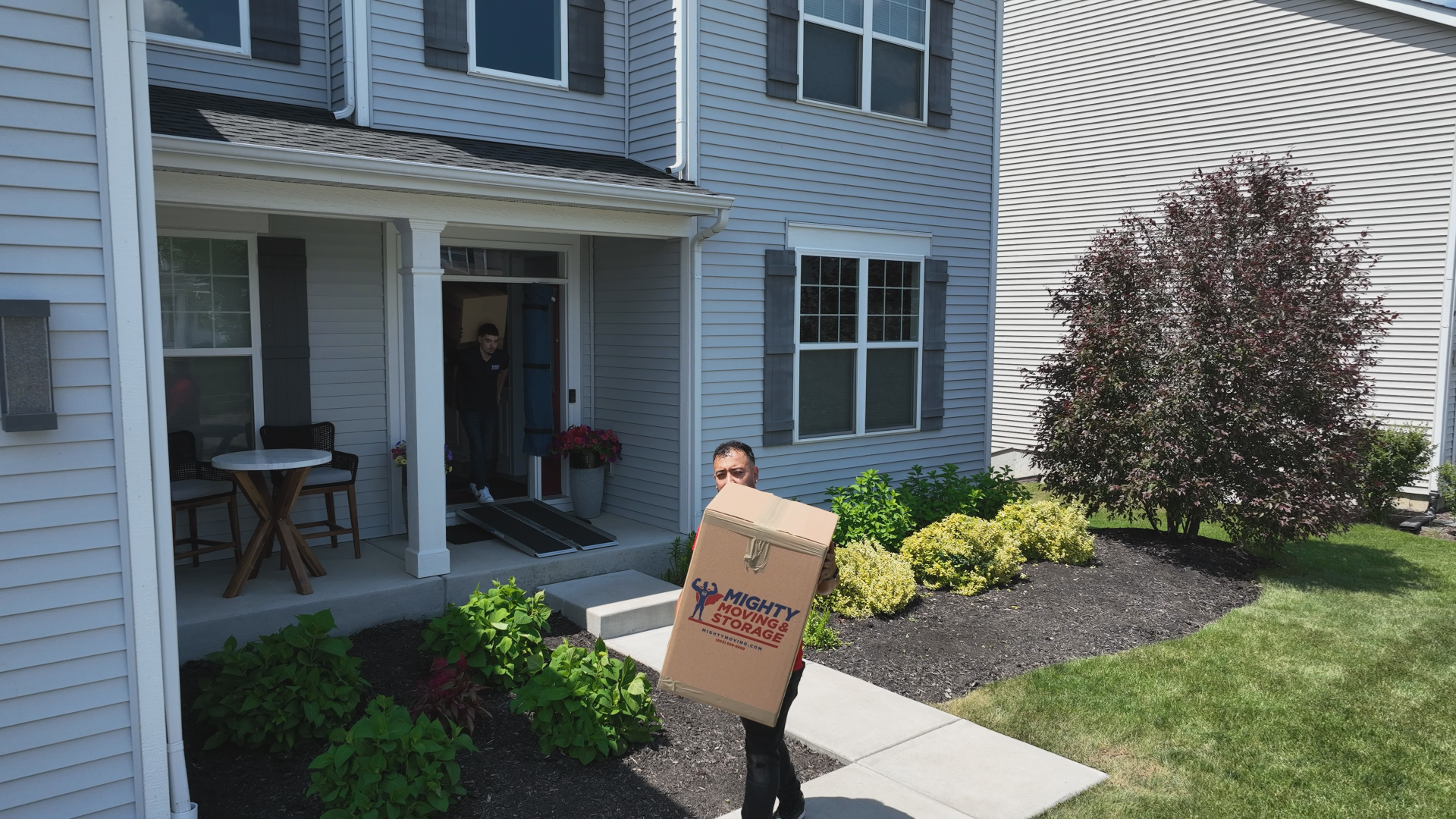
Professional packing services can take some of the work off your plate, particularly when you’re dealing with a large household or delicate items. Experienced movers can also help with the heavy lifting and organization involved in getting everything safely packed and positioned.
Whether you’re preparing for regional moving, downsizing, renovating, or planning a longer-distance move, having the right team involved can make the process easier to manage. Mighty Moving offers moving and packing support for customers throughout the Chicago area and Illinois, including Chicago movers and other moving needs.
Pack Now, Thank Yourself Later
Good packing for long-term storage is really about thinking ahead. Use sturdy materials, protect fragile and sensitive belongings, keep everything dry, label boxes clearly, and organize your storage space so you can actually find what you need later. A few extra minutes spent preparing each box can make a surprisingly big difference months down the road.
Whether you need storage as part of a move or simply need somewhere safe to keep household belongings for a while, working with a knowledgeable moving company in Illinois can make the process more manageable. From packing assistance to moving and storage logistics, Mighty Moving can help you plan the next step. When you’re ready to get started, request a free moving quote.
- Start With a Long-Term Storage Plan
- Choose the Right Packing Materials
- Pack Items With Protection in Mind
- Keep Moisture and Temperature Changes in Mind
- Know How to Pack a Storage Unit Efficiently
- Think About What You’ll Need Later
- When It Makes Sense to Get Help Packing for Long-Term Storage
- Pack Now, Thank Yourself Later